Loading...
Industrial Area 4 - Industrial Area - Sharjah

How to Introduce Kids to Badminton: Training Structure, Timings & Progression

Badminton is an amazing sport for kids! It is fun, fast-paced, and offers tons of benefits, from improving coordination & balance to teaching discipline & teamwork. Sharjah offers some fantastic coaching programs for young players, so whether your child is a complete beginner or already showing some talent, there’s something for them. Here is a guide to help you navigate how to introduce your child to badminton, set up the right training schedule, & help them progress as they grow.
About Stars Badminton
  • 1. Understanding the Basics of Kids’ Badminton Coaching

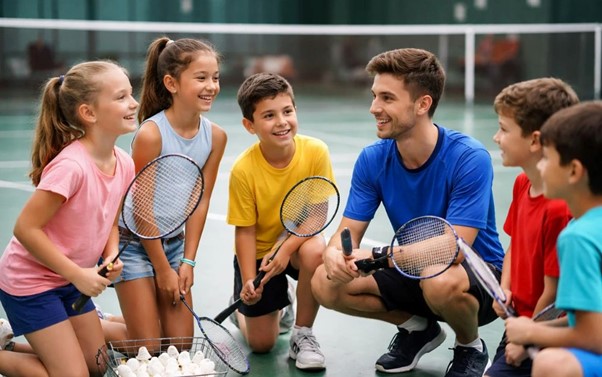
    When you’re teaching kids, the focus should always be on making the experience fun, while still laying down the foundation for good technique. Kids learn best when they are engaged, so keeping things playful is key.

    • Start with the Fundamentals: For beginners, it’s all about the basics—like learning how to hold the racket properly, practicing simple footwork, & improving hand-eye coordination. Think simple drills that feel more like games. Maybe you will set up fun races where they have to hit the shuttle to a target or challenge them to a friendly mini-match.
    • Keep it Fun: Kids love games. So instead of just drills, mix in games like shuttle races or “who can hit the shuttle the most times over the net” to keep things light and fun. It’s all about making the learning process enjoyable!
    • Focus on Safety : Before jumping into the action, ensure they warm up properly. Simple stretches & light movements aid prevent injuries and set the tone for a safe practice.

    Starting with these basics will give your child a strong foundation, and it’ll make them more excited to keep learning.

  • 2. Structuring the Training Program

    Kids can stay focused and engaged if their training sessions are structured but not overwhelming. The key is to keep it balanced—short enough to hold their attention, but enough to get in some solid practice.

    • Warm-Up (10-15 minutes): Kick things off with a gentle warm-up. A quick jog, some stretching, or agility drills are great ways to get those muscles ready for the game.
    • Skill Drills (20-25 minutes): Now it is time for the real practice. You’ll want to focus on simple exercises—like grip, stance, basic strokes, & footwork. For younger kids, using foam shuttlecocks or lighter shuttlecocks makes things easier and more fun.
    • Mini-Games (15-20 minutes): Wrap up with mini-games or friendly matches. This is where they get to apply what they’ve learned in a game-like setting, helping them know how to use their new skills in a match.
    • Cool-Down (5-10 minutes): Finish with stretching & a short cool-down to help muscles relax & prevent stiffness.

    This structure keeps the session dynamic, with enough variety to keep kids motivated & excited to come back for more.

    Related read:- Transform Your Game with the Right Badminton Coaching Courses

  • 3. Recommended Timings for Kids’ Badminton Coaching

    When it comes to scheduling training, it is important to find the correct balance—long enough to make progress but short enough to keep them energized & not overwhelmed.

    • Session Duration: For younger kids (around ages 5-8), 45 minutes to an hour is perfect. For older children (9-12 years), 60-90 minutes is fine, as they can handle longer sessions.
    • Frequency: Two to three sessions a week are perfect. This gives them enough time to practice, but also plenty of space for rest and other activities.
    • Best Time of Day: Try to schedule training in the late afternoon or early evening. That way, your child isn’t too tired from school & has plenty of energy to focus on their training.

    Regular practice at the right intervals ensures they stay engaged and improve steadily without burning out.

  • 4. Progression Plan for Young Players

    Badminton is a sport that offers plenty of room for growth, and it’s important to progress at a pace that suits the child’s ability and interest. Here’s how their training might evolve:

    • Beginner Stage: At the start, focus on the basics—grip, footwork, and simple hand-eye coordination. Make sure they have fun with these foundational skills & learn at their own pace.
    • Intermediate Stage: As they get comfortable, it is time to introduce rallying (hitting the shuttle back & forth), basic match play, and a little bit of strategy. Maybe let them participate in friendly games or small, local tournaments to build their confidence.
    • Advanced Stage: When they are ready, more specialized training can kick in. This includes working on advanced strokes like smashes & drop shots, improving fitness, & understanding doubles coordination for competitive play.

    The progression should feel natural, & it’s always good to assess their development and adjust the training as they grow.

  • 5. The Role of Qualified Coaches

    A good coach can make all the difference in how your child enjoys and grows in the sport. If you want your child to develop properly, having a qualified badminton coaching classes in Sharjah is key.

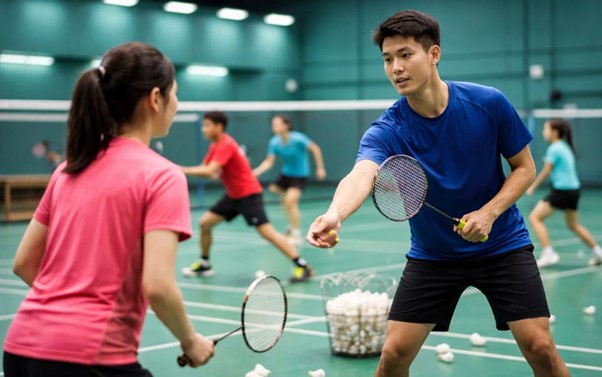
    • Professional Guidance: Coaches with experience in teaching kids understand how to keep things fun while still emphasizing technique. They’ll know how to introduce skills in an age-appropriate way.
    • Personal Attention: Good coaches pay attention to each child’s strengths and weaknesses, making sure they get personalized feedback and guidance.
    • Positive Reinforcement : Encouraging your child and celebrating their progress, no matter how small, is so important. Coaches who provide positive feedback will help build your child’s confidence and keep them motivated.

    A coach’s encouragement and guidance go a long way in helping your child build a love for badminton while improving their skills.

  • 6. Additional Tips for Parents

    As a parent, you play a huge role in your child’s badminton journey. Here’s how you can support them:

    • Encourage Practice at Home: Aid them practice simple drills at home or even play some friendly matches together. It will reinforce what they learn in badminton coaching for kids & keep them motivated.
    • Keep a Balanced Routine : Make sure your child gets enough rest, eats well, & balances their badminton with other activities. Overloading them can lead to burnout.
    • Celebrate Every Win: Whether they have nailed a new stroke or simply improved their consistency, take time to celebrate their progress. Positive reinforcement is key to their growth.
    • Get the Right Equipment: Make sure they have the right size racket and shuttlecocks. Using equipment that’s designed for their age & size makes learning more enjoyable and effective.

    Your support, both on and off the court, aids your child stay motivated and enjoy their badminton experience.

  • 7. Choosing the Right Badminton Facility

    A great facility can make a huge difference in your child’s experience. Here’s what to look for:
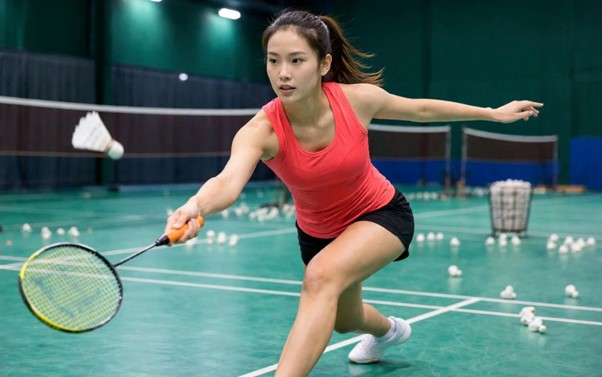
    • Court Quality: The courts should be safe, clean, and well-maintained. Proper flooring, good lighting, & enough ceiling height are essential.
    • Safety First : Hygiene is important, & the facility should have non-slip surfaces, clean courts, and first aid kits on hand just in case.
    • Variety of Programs: Look for a facility that offers both group coaching and personalized sessions. This lets your child to grow at their own pace & receive the right kind of training.
About Stars Badminton

In Conclusion

Introducing your child to badminton is all about creating a fun, supportive, & structured environment where they can grow and develop. By keeping the training age-appropriate, setting up a steady routine, & ensuring steady progression, your child will build strong skills while enjoying the game.

For parents in Sharjah looking for expert coaching & top-quality facilities, Stars Badminton Playgrounds provides an ideal space for young players to grow. With professional coaches, safe courts, and a welcoming environment, your child will be set up for success on the badminton court.